#West Bank
#West Bank
[ follow ]
#west-bank #israeli-settlements #settler-violence #gaza #international-law #annexation #two-state-solution




fromwww.aljazeera.com
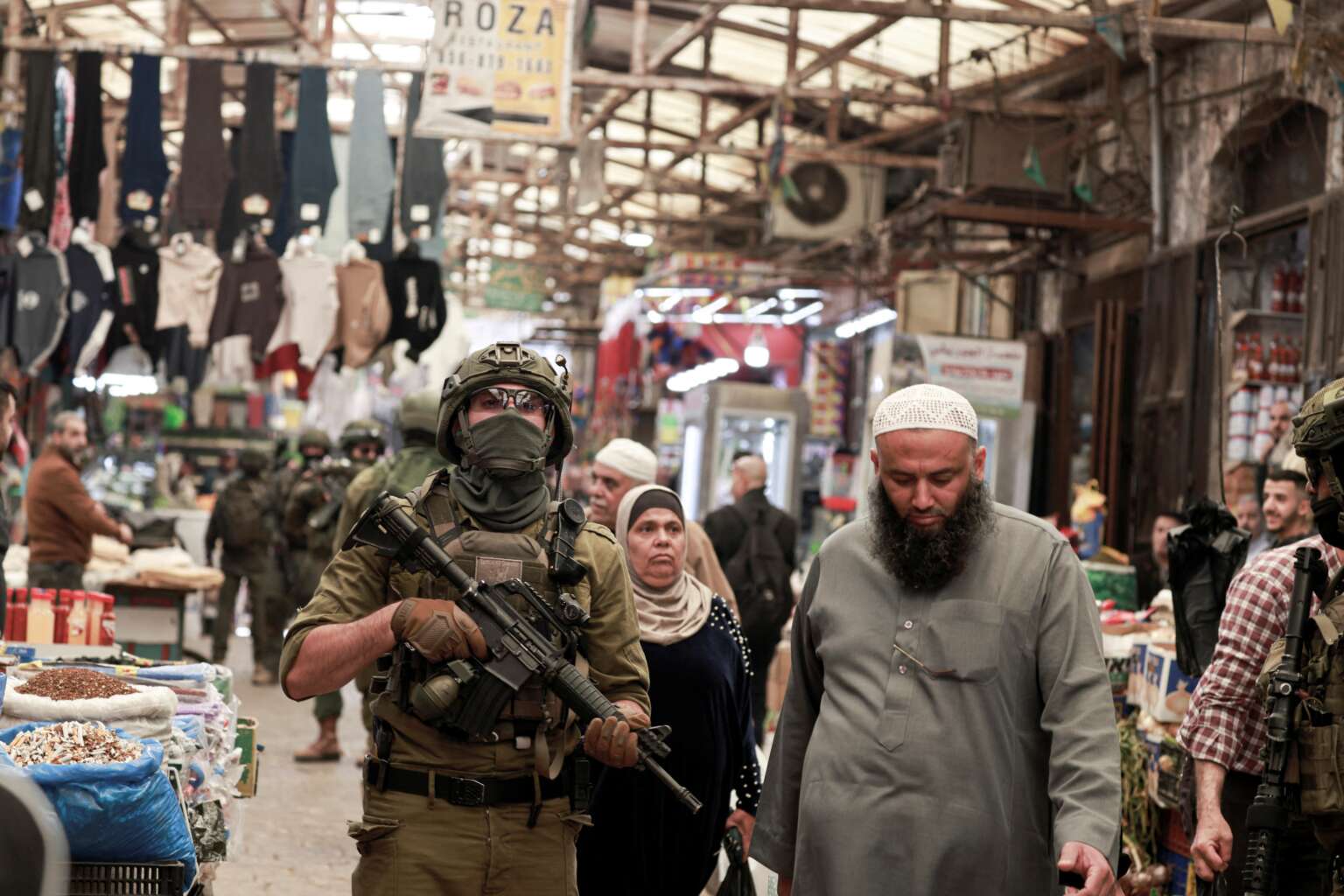
2 weeks agoIn the days of old, the world was safe': West Bank family's enduring unity
The metal door of the Masallam family home still bears the dents from a settler's axe. Inside, the smell of freshly made cheese hangs beneath a stone-domed ceiling. Mattresses line the circular room, spread across carpets on the hard floor. Prayer beads hang from nails beside the damaged door. On this particular evening, about 20 people are arranged in a circle four generations of Masallams, plus relatives and a couple of friends as young children pass small glasses of mint tea around the cosy den.
Madrid food
fromwww.aljazeera.com
2 weeks agoThousands run Palestine Marathon under shadow of Israel's war on Gaza
The tenth Palestine International Marathon has been run in the occupied West Bank city of Bethlehem, with a parallel race held in Gaza after a two-year hiatus caused by Israel's war on the Strip.
Running
fromwww.amny.com
2 weeks agoProtest over Israeli real estate event at Manhattan synagogue tests NYPD perimeter strategy as officer hospitalized, demonstrators pepper-sprayed
The Great Israeli Real Estate Event 2026, advertised online, is part of a tour that includes locations like Flatbush and Queens, and is set for May 5 in Manhattan.
NYC LGBT




#gaza


fromwww.france24.com
3 months agoWorld news
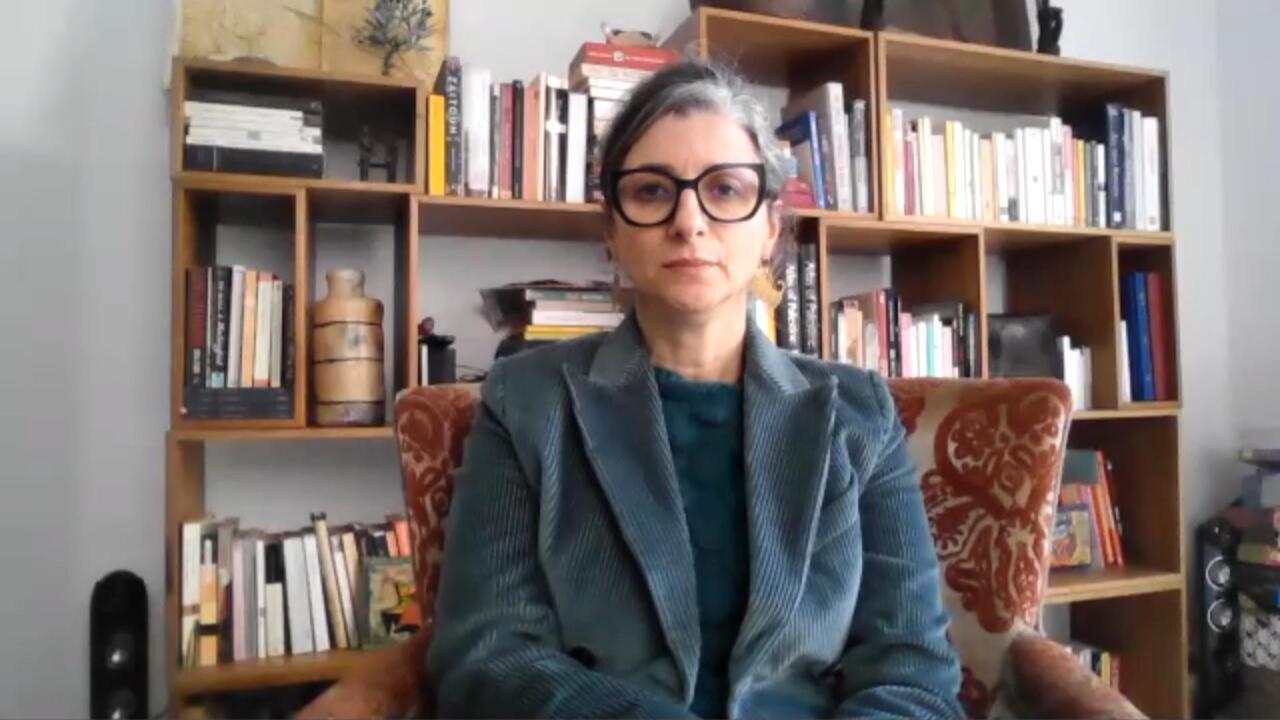
Tete a tete - UN's Albanese slams 'shameful and defamatory' anti-Semitism accusations against her
Israeli actions in Gaza and the West Bank risk Gaza's destruction, enable land seizures and spread terror while accusations of anti‑Semitism against critics are called shameful and defamatory.

fromwww.aljazeera.com
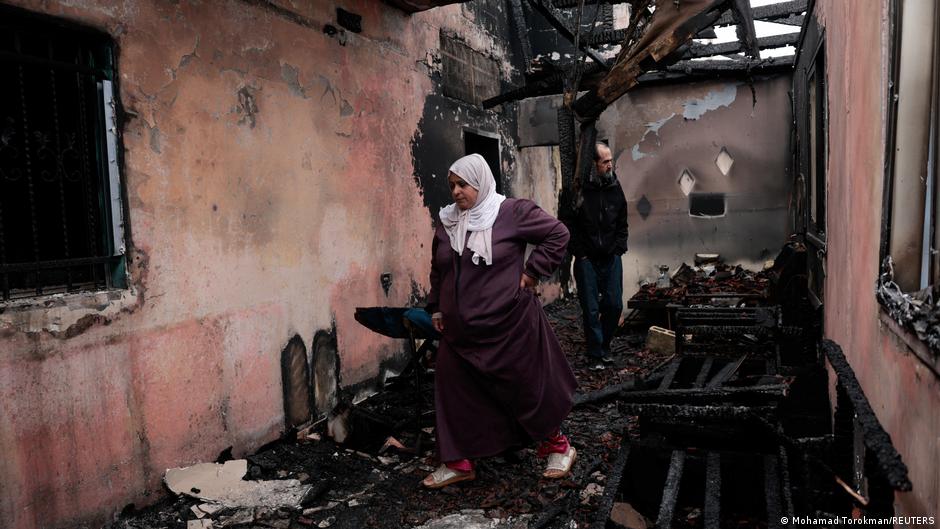
1 month agoIsraeli forces kill Palestinian teenager in occupied West Bank raid
A 15-year-old Palestinian has died from his wounds after he was shot by Israeli forces during a raid in the occupied West Bank city of Nablus. The teenager suffered critical injuries after being struck by live ammunition in the shoulder and was transferred to a nearby hospital, where he died, the official Palestinian news agency Wafa reported on Thursday, citing medical sources.
NYC parents
fromwww.aljazeera.com
1 month agoIsraeli ministers celebrate re-establishment of Sa-Nur West Bank settlement
Finance Minister Smotrich stated, 'On this exciting day, we celebrate a historic correction to the criminal expulsion,' during the reopening ceremony of Sa-Nur, emphasizing the government's stance against the idea of a Palestinian state.
World news


fromwww.theguardian.com
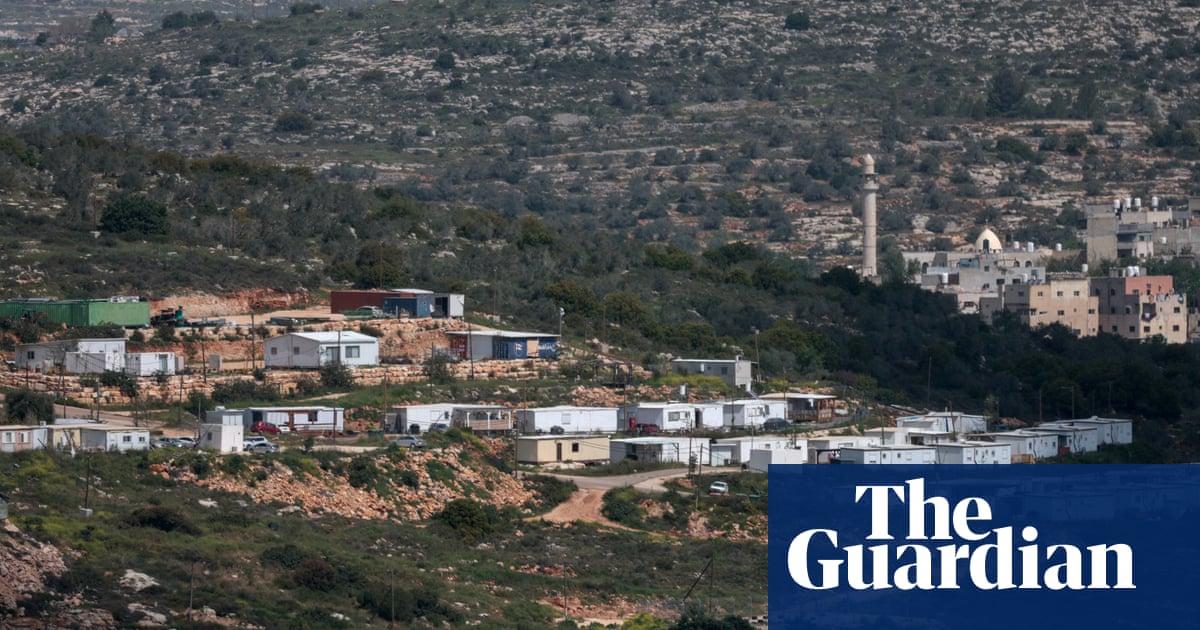
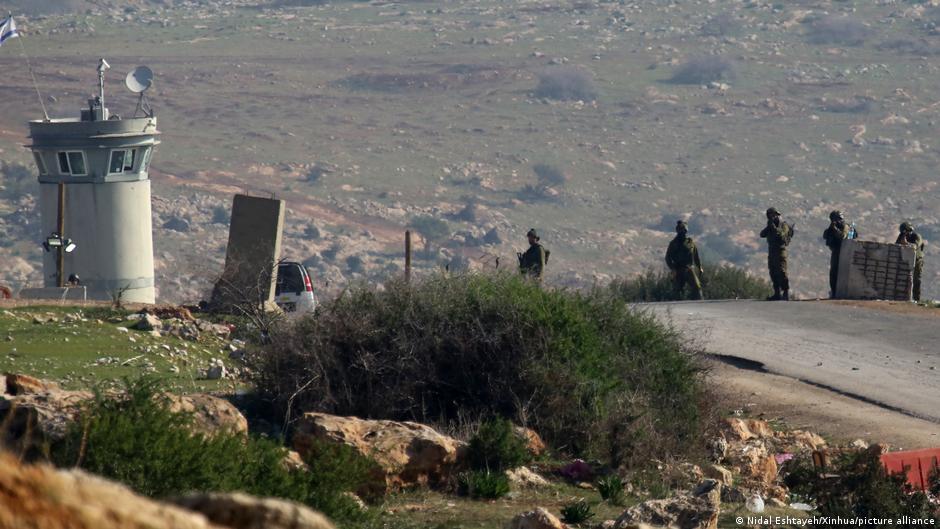
1 month agoA strategy to make life intolerable': Israeli settlers are driving Christians out of West Bank
Taybeh, a small hilltop town in the heart of the West Bank, is one of the oldest Christian communities in the world, now feeling under siege and fighting for its existence.
History
Right-wing politics
fromwww.mediaite.com
2 months agoI'd Bust Your Face Right Now': Republican State Senator Gets Aggressive With Jewish Journalist After Being Accused of Doing Israel's Bidding'
Tennessee Senator Paul Rose threatened a journalist over questions about a bill regarding the West Bank and alleged Israeli influence on U.S. policy.

World news
fromwww.aljazeera.com
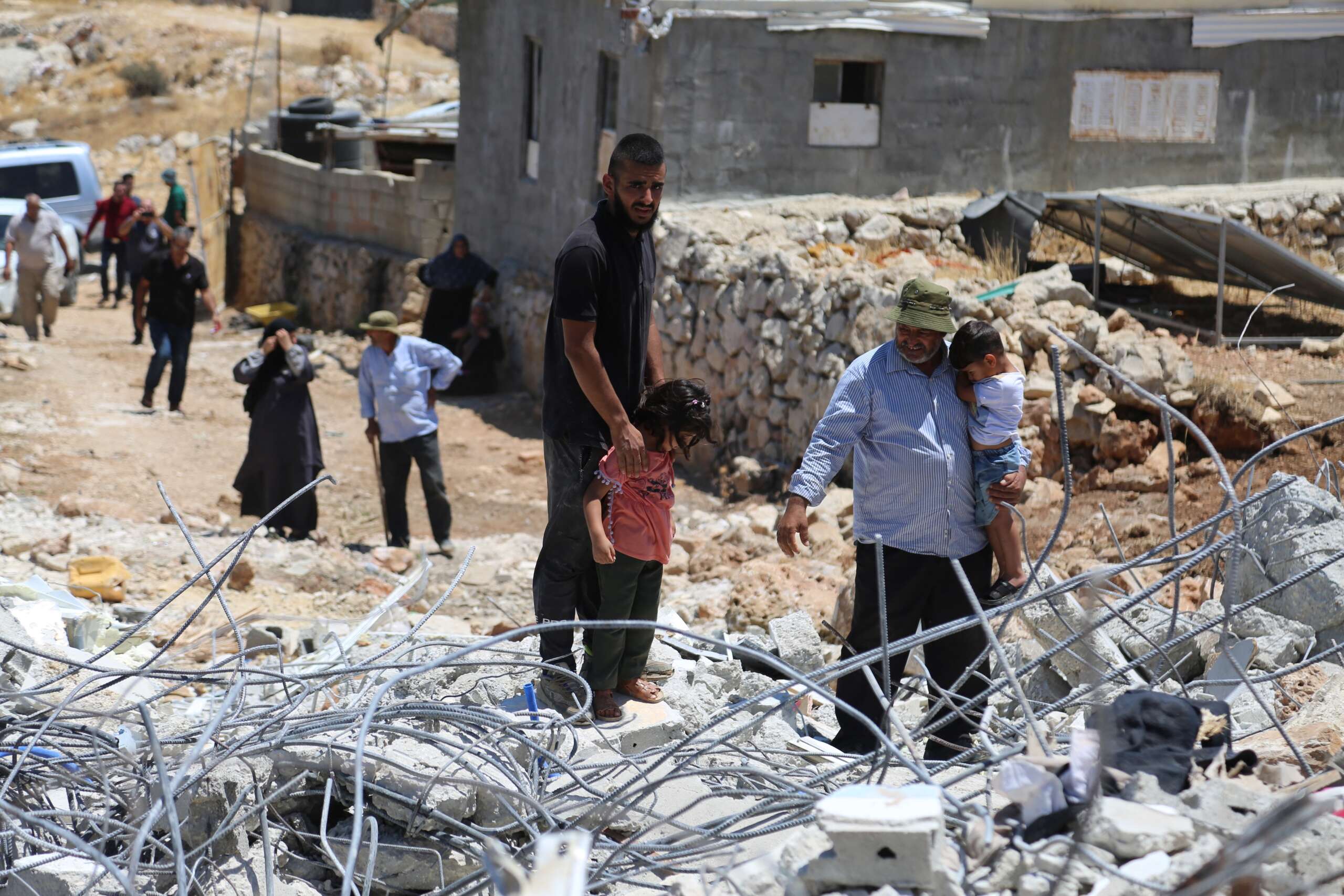
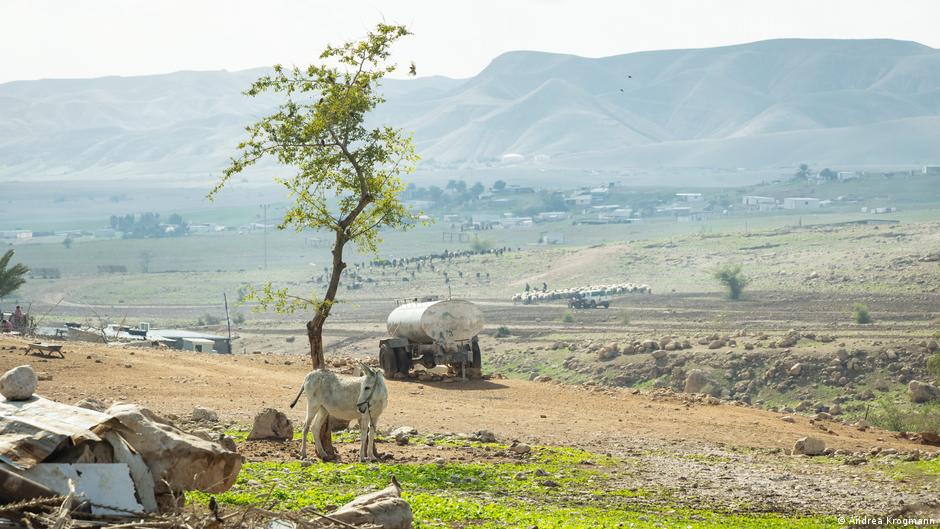
2 months agoIsrael carrying out mass expulsion of Palestinians' in West Bank, UN warns
The UN reports over 36,000 Palestinians forcibly displaced in the West Bank within one year due to Israeli settler violence and military operations, constituting unlawful mass transfer under international law.
fromwww.aljazeera.com
3 months agoIsrael to restart land registration in West Bank. What that means
The Israeli government has approved a plan to begin land registration in the occupied West Bank, meaning it will be able to seize land from Palestinians who cannot prove ownership. For the first time since Israel's occupation of the West Bank in 1967, it will register such land as property of the state also known as settlement of land title in Area C of the occupied West Bank.
World news
fromwww.theguardian.com
3 months agoA violation of our history': Palestinian uproar over Israel's plan to seize historic West Bank site
The Byzantine-era church lies half hidden in the shade. Roman columns rise from among the olive trees, even older ruins linked to Israelite kings are overgrown. To the west, the Mediterranean is just visible on the horizon. To the north and south are the hills of the occupied West Bank. In the small town of Sebastia, a hundred metres or less east of the ruins, everyone is very worried.
World news
fromwww.theguardian.com
4 months agoPalestinian refugees' West Bank football pitch saved after Uefa president lobbies Israel
A football pitch used by refugees in the occupied West Bank has been saved from demolition after an intervention by the president of Uefa, Aleksander Ceferin. A decision to stop plans to remove the pitch in the Aida refugee camp outside Bethlehem was taken by Israeli security forces on Tuesday after an international campaign for its preservation. Ceferin is understood to have held three telephone conversations with the Israeli Football Association (IFA) to discuss the issue of the Aida pitch during the past week, with the IFA relaying the concerns to security services.
Soccer (FIFA)
fromwww.aljazeera.com
4 months agoIsrael launches large-scale' military raid in occupied West Bank's Hebron
We are in the so-called southern region of Hebron, which has been under a curfew since dawn, Nassar said. There is an intensive deployment of occupation forces including bulldozers and tracked armoured vehicles. We witnessed tracked armoured vehicles the last time we saw these in Hebron was during the second Intifada during [Israeli] Operation Defensive Shield, he said, noting the significance of the heavy equipment.
World news
[ Load more ]